



Leafy greens are efficient and productive crops, valued for their short growing periods, steady demand, and adaptability across a range of production systems. From spinach and romaine to kale and chard, these crops provide a fresh, nutritious staple on our tables thanks to the growers who dedicate their time and expertise to producing them season after season.
Nutritional Powerhouses
Leafy greens are naturally rich in vitamins A, C, and K, as well as iron, calcium, folate, and fiber. Spinach and kale bring impressive antioxidant profiles, romaine and butterhead lettuces offer hydration and crisp texture, and Swiss chard delivers a colorful mix of nutrients along with a mild, earthy flavor. From a health standpoint, a diet rich in leafy greens supports heart health, bone strength, and immune function.
Growing Conditions That Set the Stage
Leafy greens thrive in open, level fields with loose, well-drained soil. Because they’re shallow-rooted crops, soil structure plays a major role in how well they establish and access nutrients. When soil is loose and well-aerated, it allows for better root expansion, resulting in stronger plants, improved nutrient uptake, and greater tolerance to environmental stress.
This is also where biostimulants can make a difference. By promoting early root establishment and improving soil structure, biostimulant applications help young leafy greens get off to a strong start. Improved root systems not only anchor plants more securely but also enhance their ability to absorb water and nutrients efficiently, resulting in better uniformity and consistent quality.
A Closer Look at the Classics
- Lettuce – The most popular of the bunch, with hundreds of varieties ranging from crisphead to butterhead. Its mild flavor and quick growth make it a steady performer. According to Washington State’s Department of Agriculture, the average American consumes about 30 pounds of lettuce per year. In 2015, astronauts on the International Space Station grew and ate lettuce in space for the first time.

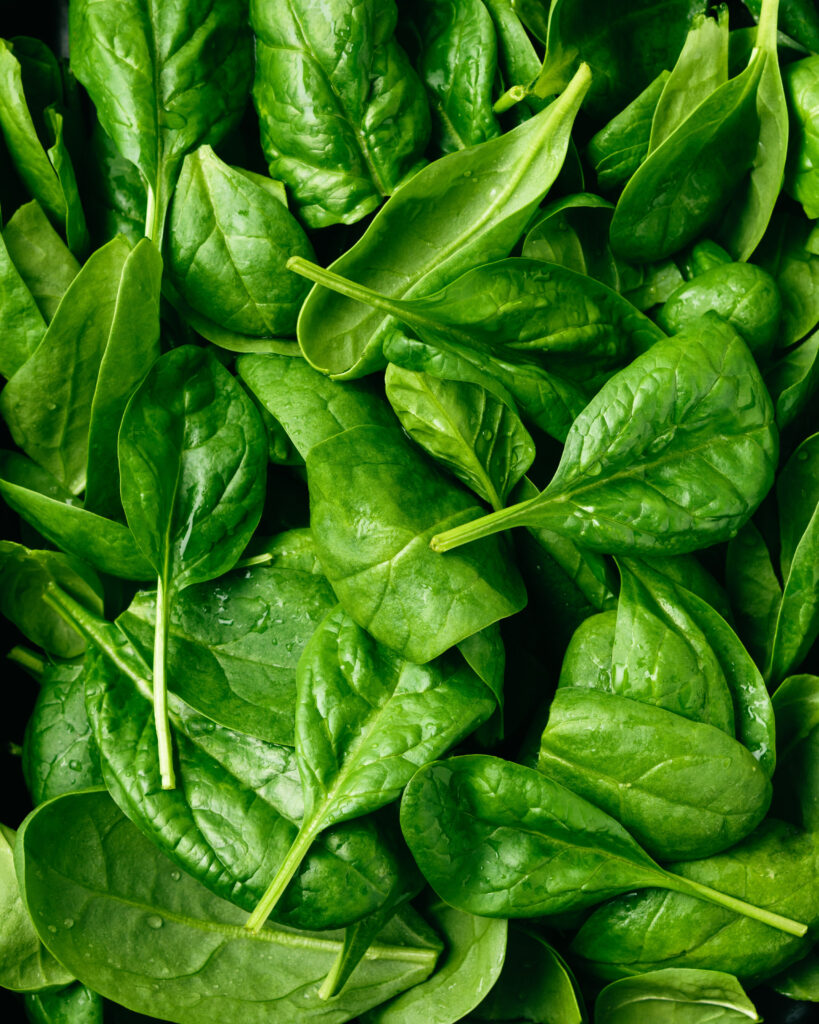
- Spinach – A cool-season favorite that grows fast and tolerates a bit of chill, spinach is known for tender leaves and high nutritional density. Michigan State University Extension ranks spinach as one of the most nutrient-dense of all foods, with high levels of beta-carotene, lutein, folate, vitamin C, calcium, iron, phosphorus and potassium.
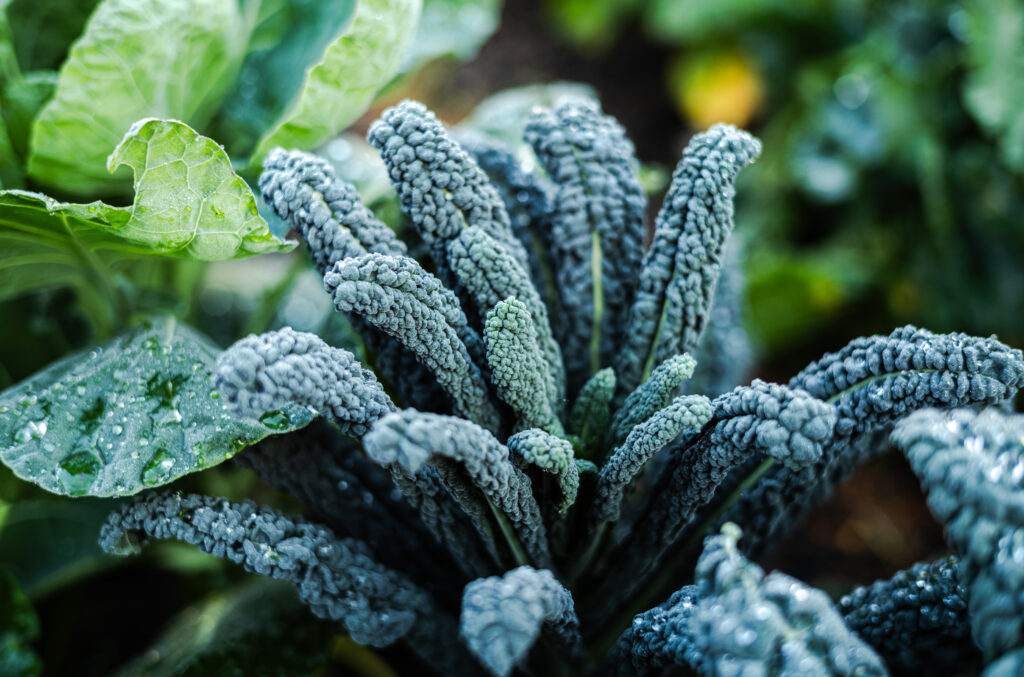
- Kale – Hardy and dependable. Its flavor sweetens after a frost, and its strong leaves hold up well in cooking and transport. Check out these great kale recipes from University of Alaska Fairbanks Ag Extension!
- Swiss Chard – With its rainbow stems and glossy leaves, it’s as beautiful as it is productive. Swiss chard is a flexible option for baby greens or mature bunches. According to the North Carolina Cooperative Extension, Swiss chard is in the same family as beets.

Growing for the Future
Leafy greens also represent a sustainable choice for growers. Their short growth cycles, efficient nutrient use, and compatibility with practices like cover cropping make them well-suited for modern, resource-conscious operations. As consumers continue to demand healthy nutrition, leafy greens offer a reliable way to maintain both profitability and sustainability.